The Shinkansen is the easiest way to cross Japan. Trains run up to 320 km/h, leave on the minute, and take you from city centre to city centre, usually faster than flying once you count the airport time.
It's also simple once you know a few rules. Here's everything I tell friends before their first ride.
Typical times and one-way ordinary-class fares for one adult. Fares change, so check before you book.
The network in one minute
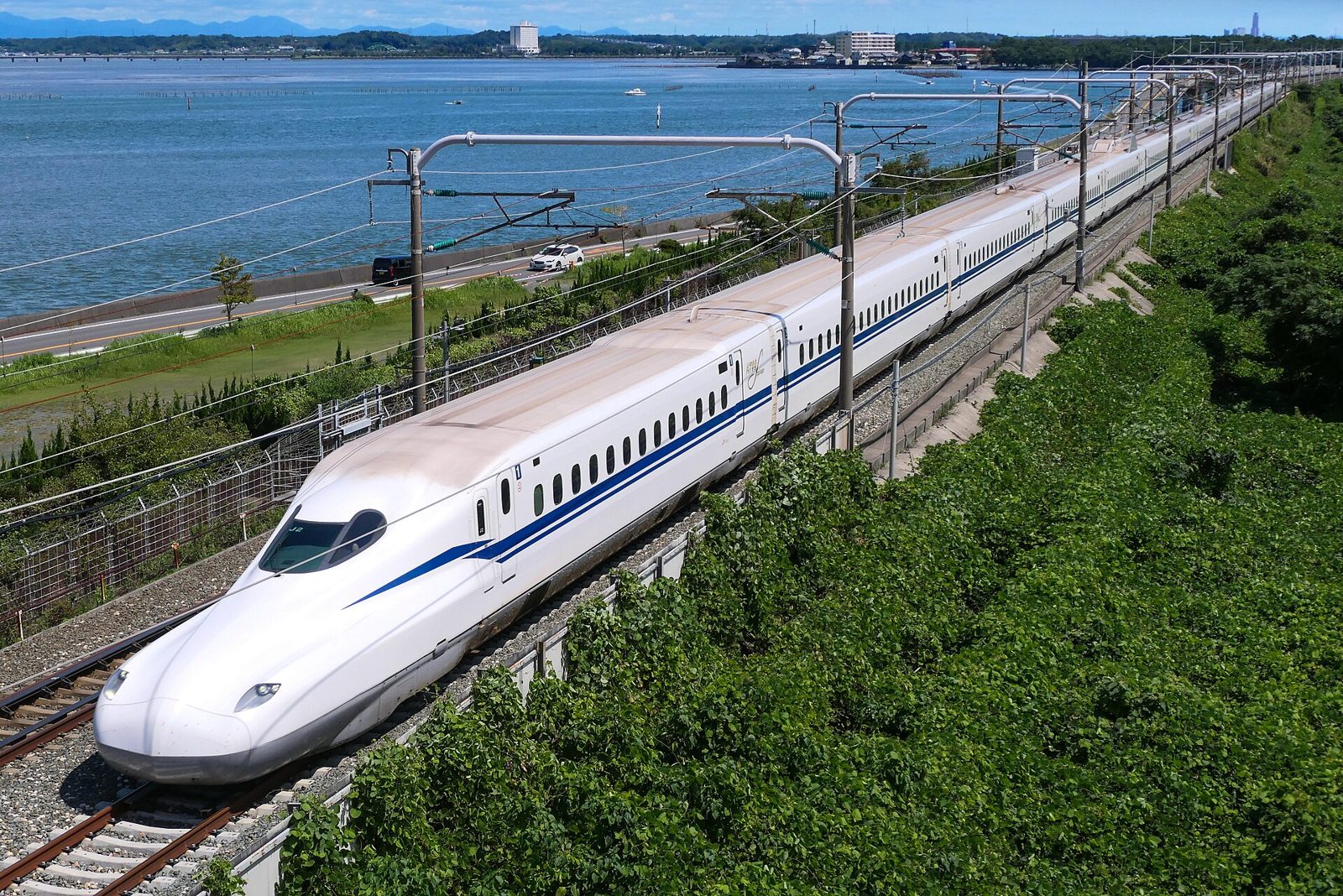
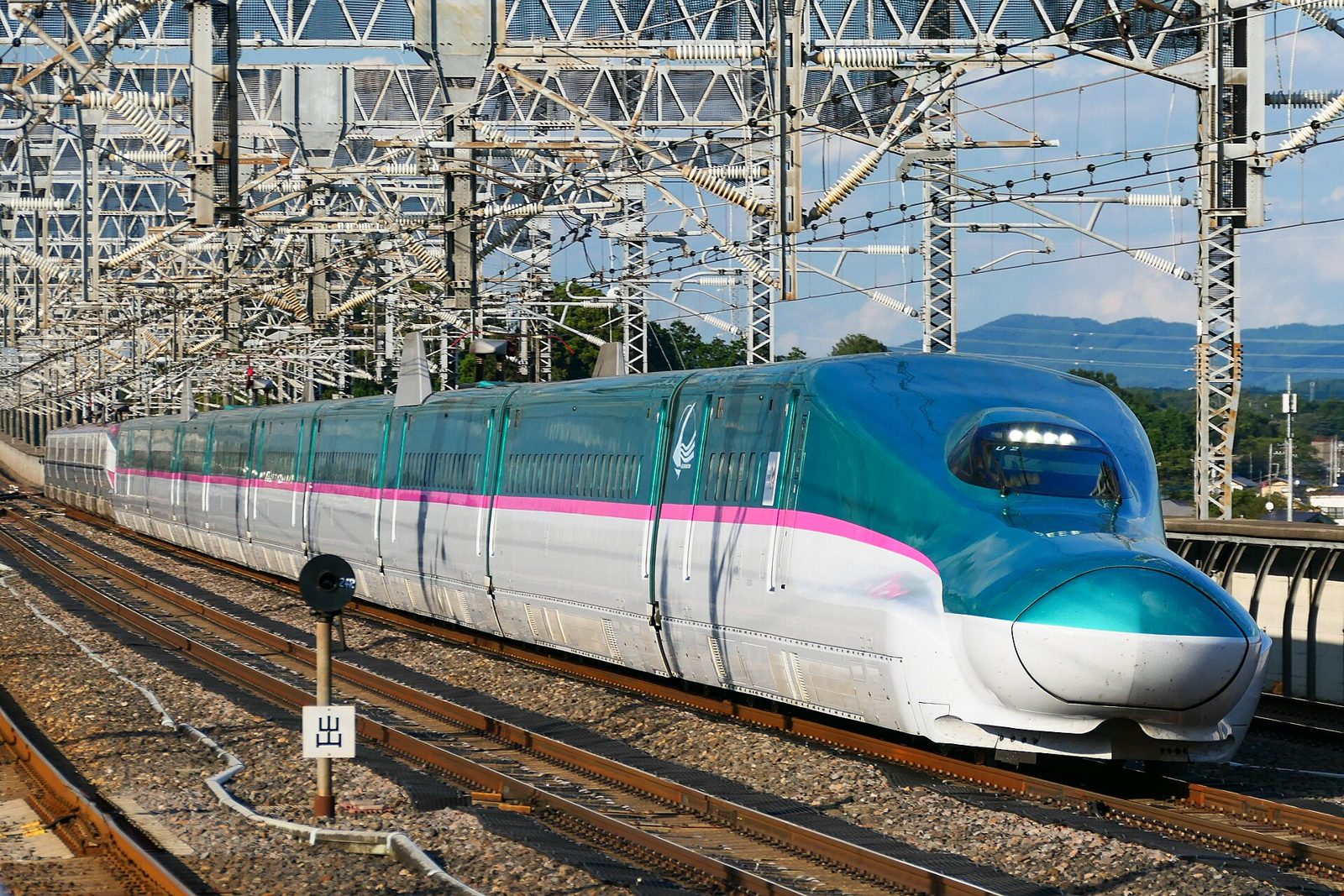
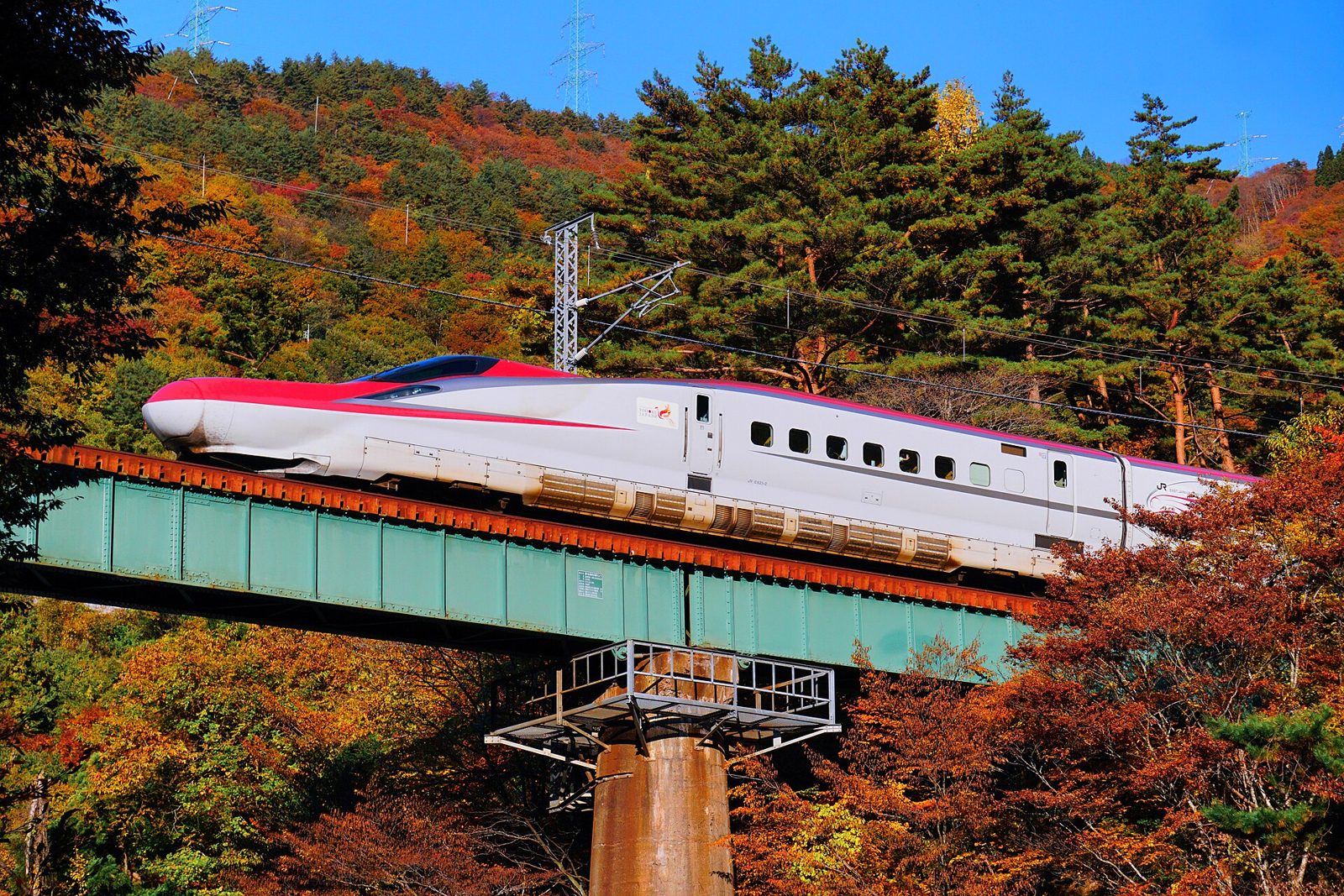
| Line | Route | Trains (fastest first) |
|---|---|---|
| Tokaido | Tokyo – Nagoya – Kyoto – Shin-Osaka | Nozomi · Hikari · Kodama |
| Sanyo | Shin-Osaka – Kobe – Okayama – Hiroshima – Hakata (Fukuoka) | Nozomi · Mizuho · Sakura · Hikari · Kodama |
| Kyushu | Hakata – Kumamoto – Kagoshima-Chuo | Mizuho · Sakura · Tsubame |
| Nishi-Kyushu | Takeo-Onsen – Nagasaki (relay train from Hakata) | Kamome |
| Tohoku | Tokyo – Sendai – Morioka – Shin-Aomori | Hayabusa · Hayate · Yamabiko · Nasuno |
| Hokkaido | Shin-Aomori – Shin-Hakodate-Hokuto | Hayabusa · Hayate |
| Akita / Yamagata (mini-shinkansen) | Branches off the Tohoku line to Akita and Yamagata / Shinjo | Komachi · Tsubasa |
| Joetsu | Tokyo – Echigo-Yuzawa – Niigata | Toki · Tanigawa |
| Hokuriku | Tokyo – Nagano – Kanazawa – Tsuruga | Kagayaki · Hakutaka · Tsurugi · Asama |
The train name tells you how many stops it makes. Nozomi and Hayabusa are the express versions, while Kodama and Nasuno stop everywhere. On the Tohoku line, Hayabusa and Komachi often run coupled together and split at Morioka, so check your car number.
Typical travel times & fares
| From Tokyo to | Fastest train | Time | Reserved seat, one way |
|---|---|---|---|
| Kyoto | Nozomi | ~2 h 15 | ~¥14,000 |
| Shin-Osaka | Nozomi | ~2 h 30 | ~¥14,500 |
| Hiroshima | Nozomi | ~4 h | ~¥19,500 |
| Hakata (Fukuoka) | Nozomi | ~5 h | ~¥23,000 |
| Sendai | Hayabusa | ~1 h 30 | ~¥11,000 |
| Shin-Aomori | Hayabusa | ~3 h | ~¥17,500 |
| Kanazawa | Kagayaki | ~2 h 30 | ~¥14,000 |
| Niigata | Toki | ~1 h 40 | ~¥10,500 |
Over about five hours (Tokyo → Fukuoka, Tokyo → Hokkaido), check a domestic flight too. JAL and ANA have fares for foreign visitors that often beat the train.
Tickets & booking
- Online: smartEX (Tokaido, Sanyo and Kyushu lines), JR-EAST Train Reservation (Tohoku, Hokkaido, Joetsu, Hokuriku and the mini-shinkansen) or JR-WEST Online Train Reservation. All work with foreign cards and have English versions
- At the station: the red or green ticket machines have English menus, and the staffed ticket offices help with anything complicated
- When: seats go on sale about one month ahead. For Golden Week (early May), Obon (mid-August), New Year and autumn weekends, book on day one
- At the gate: insert all your tickets together (base fare + express ticket) and take them back out on the other side. Some online bookings link to an IC card or QR code instead
Reserved, non-reserved or Green?
Ordinary cars have reserved and non-reserved seats. On the Tokaido line, Nozomi cars 1–3 are non-reserved, but at peak holidays Nozomi goes fully reserved. Hayabusa, Komachi and Kagayaki are always fully reserved. Green Car is first class with 2+2 seats and more legroom. Gran Class (on Hayabusa and Kagayaki) is the business-class splurge: 18 leather seats per train.
Children aged 6–11 pay half. Children under 6 ride free if they sit on your lap.
Is the JR Pass worth it?
The nationwide Japan Rail Pass costs about ¥50,000 for 7 days, ¥80,000 for 14 days and ¥100,000 for 21 days in ordinary class. Since the big price increase it only pays off if you really move around.
| 7-day example | Point-to-point |
|---|---|
| Tokyo → Kyoto | ~¥14,000 |
| Kyoto → Hiroshima (+ Miyajima) | ~¥11,500 |
| Hiroshima → Tokyo | ~¥19,500 |
| Total | ~¥45,000, so the pass is not worth it |
- Worth it: long zig-zags in one week, e.g. Tokyo → Kanazawa → Kyoto → Hiroshima → Fukuoka → Tokyo
- Not worth it: a single loop Tokyo – Kyoto – Osaka – Tokyo, or a road trip where your train days are far apart
- Pass holders pay an extra supplement to ride the fastest Nozomi and Mizuho trains, or can take Hikari and Sakura for free
- Often better value: regional JR passes (JR East, Kyushu, Shikoku, Hokkaido, Kansai). See my regular trains guide
The luggage rule that catches everyone
Big suitcase? Reserve the right seat
On the Tokaido, Sanyo and Kyushu lines, bags with total dimensions (length + width + height) of 160–250 cm need a reservation for a seat with an oversized baggage area, usually the last row of a car. Board without one and you pay a ¥1,000 fee and may have to move. Smaller bags fit on the overhead racks.
Honestly, the best trick is not travelling with a giant suitcase at all. Send it ahead with takkyubin luggage forwarding (Yamato, Sagawa) from your hotel. It arrives the next day for about ¥2,000–3,000 a bag.
On board
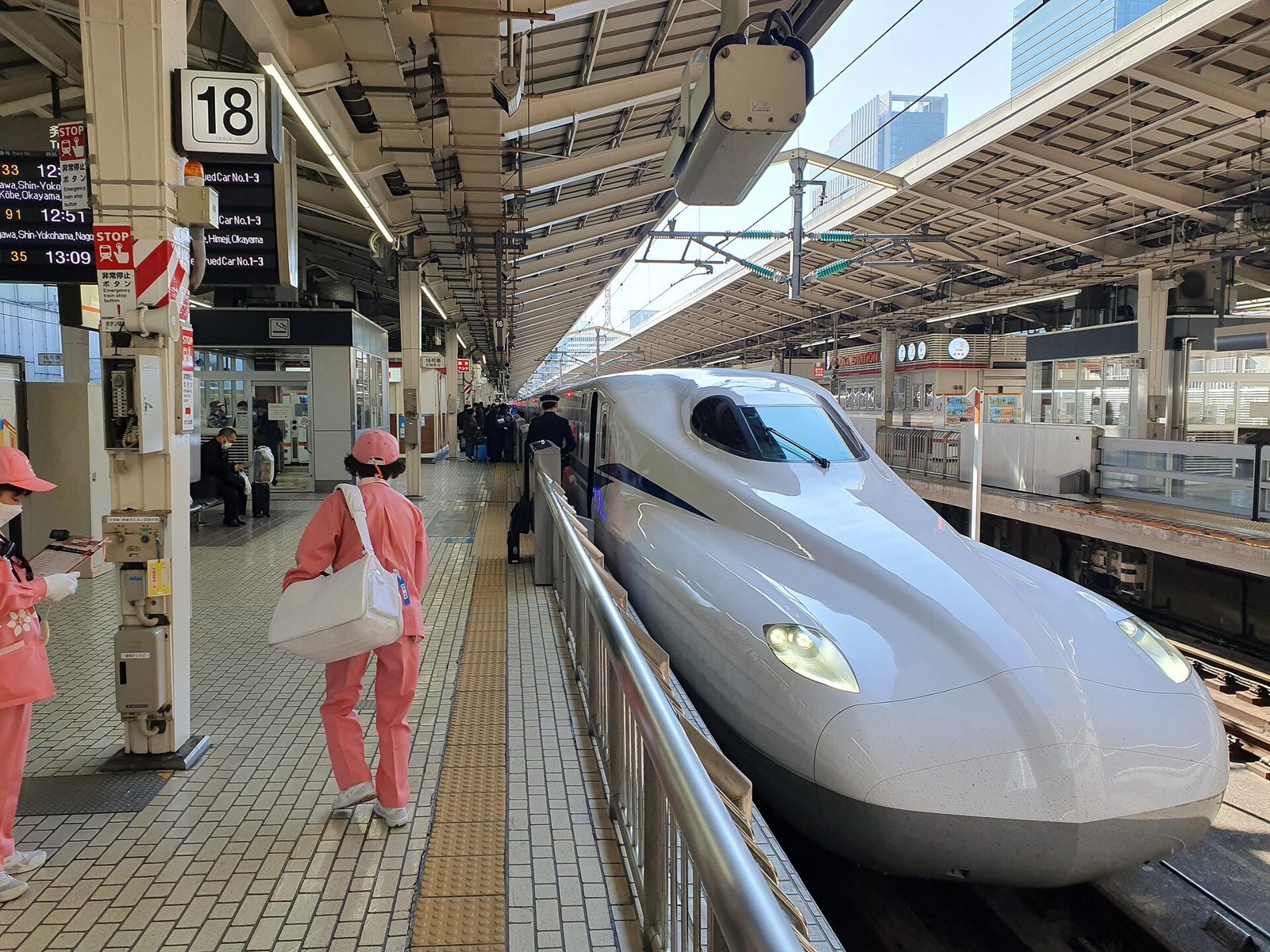
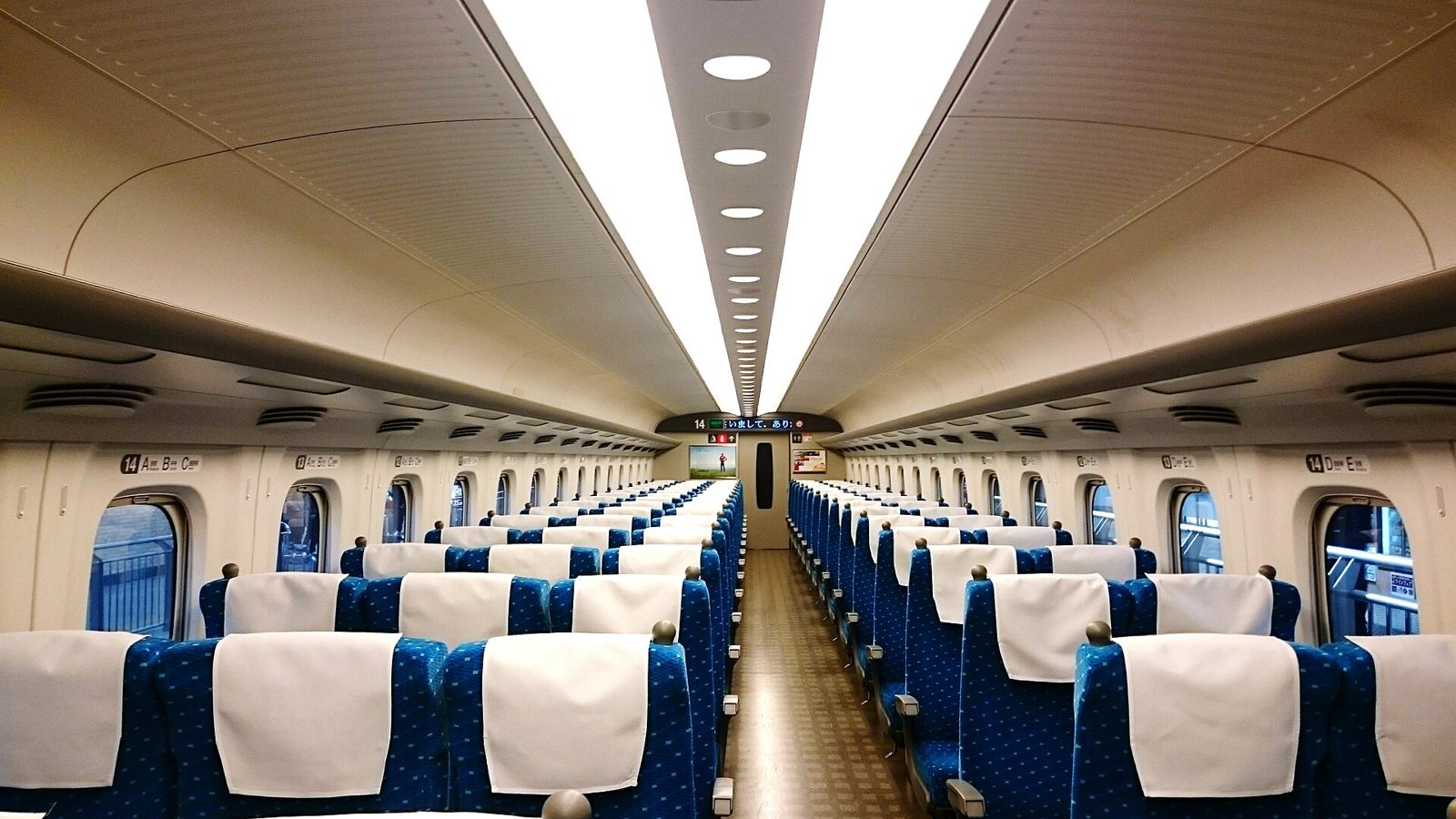
Find your car
Platform signs show the car numbers and the queue lines for each door. Line up where your car stops.
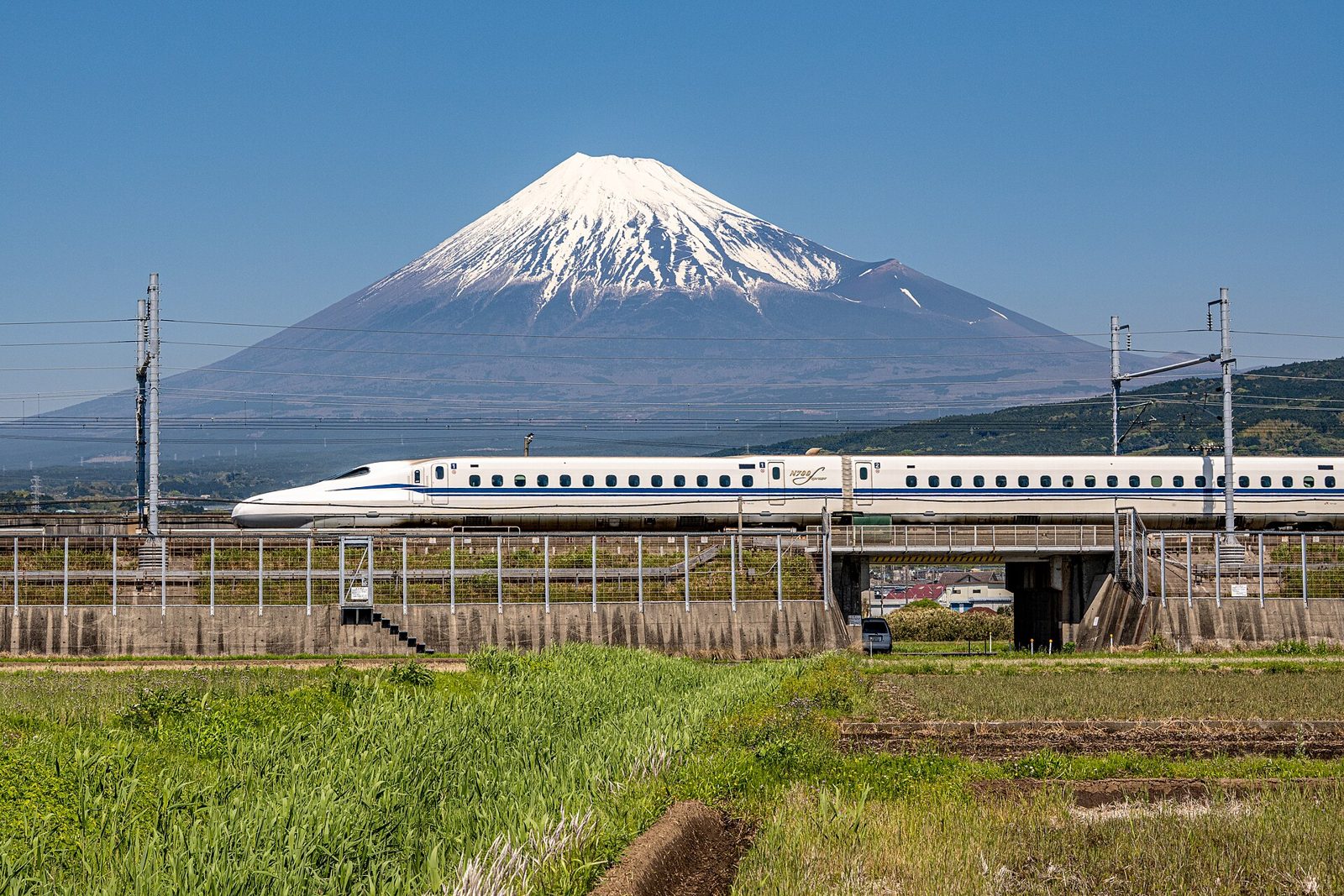
Mount Fuji
Heading west from Tokyo, sit on the right: seat E in ordinary class (seat D in Green). Fuji appears around Shin-Fuji, about 40–45 minutes after Tokyo.
Eat
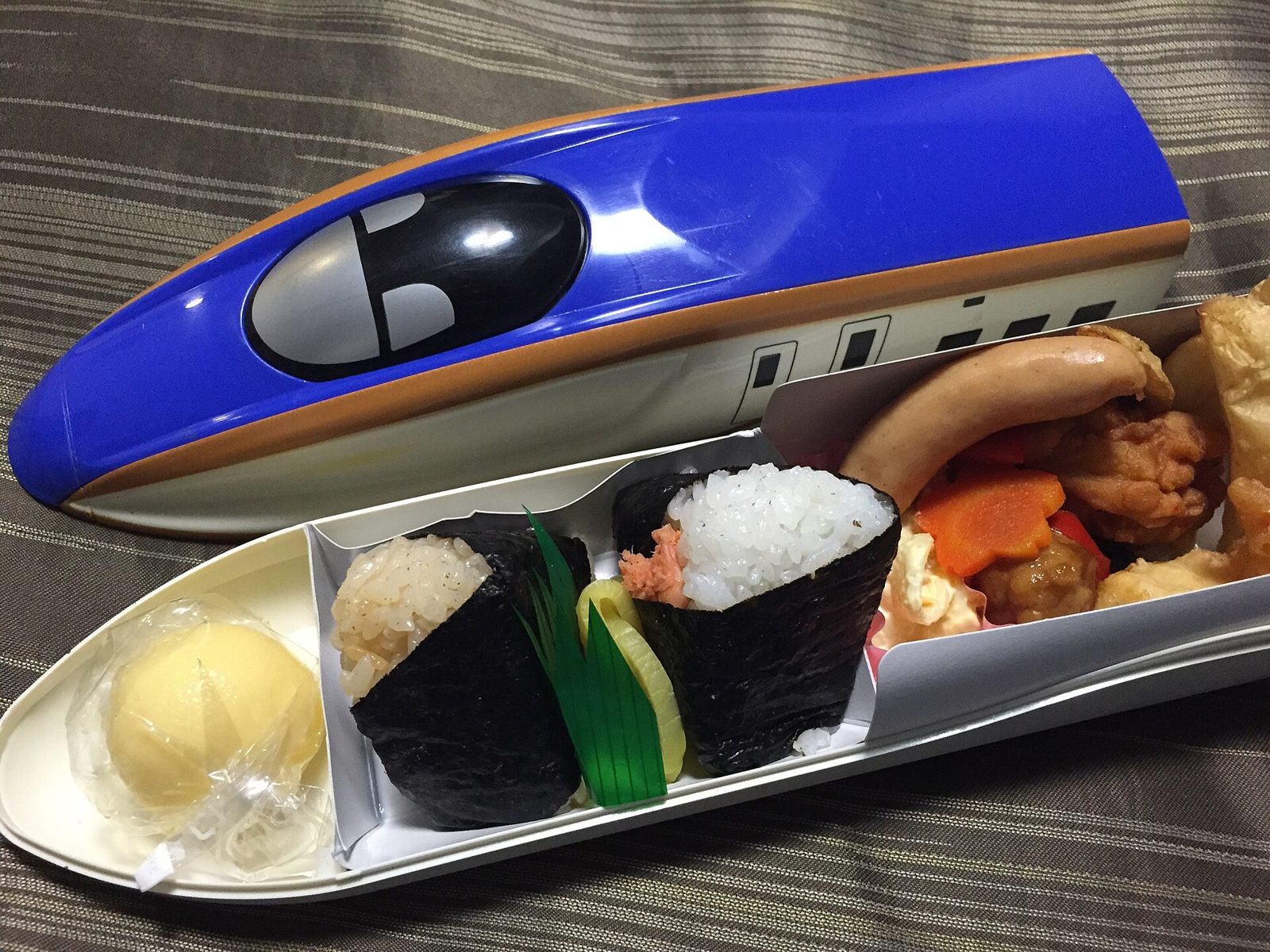
Buy an ekiben (station bento) before boarding. On many lines the snack trolley is gone.
Turn the seats
Travelling as a group of four? Rotate a row to face each other. Turn it back when you leave.
Quiet please
Phone calls happen in the vestibule between cars. Keep the volume down.
Be ready
Stops last only 1–2 minutes. Be at the door with your bags as the train slows down.
Comments
Questions, tips, your own experience?
Done this route, planning it, or found a great ryokan I missed? Leave a comment below. Please keep it friendly and on topic.
The comment section switches on as soon as Tabi Notes is live.