Below the Shinkansen sits an enormous web of regular trains. There are commuter lines that run every two minutes, limited expresses with reclining seats, and single-car diesel trains rattling along the coast with three departures a day.
Once you understand the train types and get an IC card, it all clicks. Here's how it works.
Typical figures. Rural lines can be very different, so always check the timetable.
JR, private railways & subways
JR (Japan Railways) is split into six regional companies: Hokkaido, East, Central, West, Shikoku and Kyushu. On top of that come dozens of private railways (Odakyu, Keio, Tokyu, Kintetsu, Hankyu, Keihan, Nankai, Meitetsu, Tobu, Seibu…) and city subways. They're separate companies with separate fares, but IC cards work across nearly all of them in the big cities.
The JR Pass and JR regional passes only cover JR trains. That's why the Romancecar to Hakone or SPACIA X to Nikko cost extra.
Train types: which one to board
| Type (Japanese) | Stops | Extra ticket? |
|---|---|---|
| Local (普通 / 各駅停車) | Every station | No |
| Rapid (快速) | Skips some stations | No |
| Express / Semi-express (急行 / 準急), mostly on private lines | Skips more | Usually no |
| Limited Express (特急 tokkyū) | Main stations only, comfy reclining seats | Yes, a limited express supplement, plus extra for a reserved seat |
| Green Car (グリーン車) | First-class car on some trains | Yes |
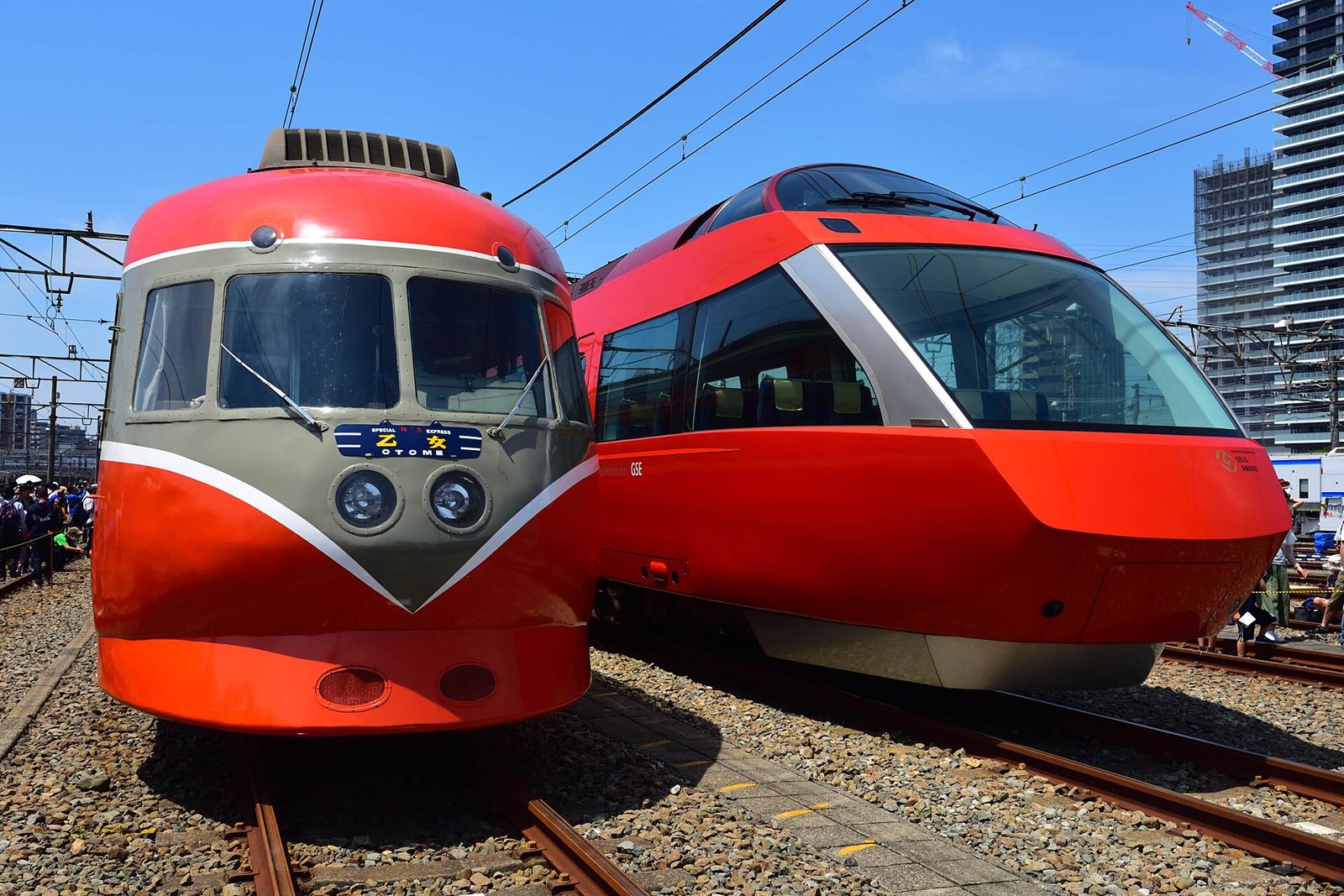
Popular limited expresses: Narita Express and Haruka (airports), Azusa (Shinjuku → Matsumoto), Thunderbird (Osaka → Tsuruga), Romancecar (Shinjuku → Hakone), Shiokaze and Nanpu (Okayama → Matsuyama / Kochi on Shikoku), Sonic (Hakata → Beppu / Oita).
IC cards: Suica, PASMO, ICOCA & co.
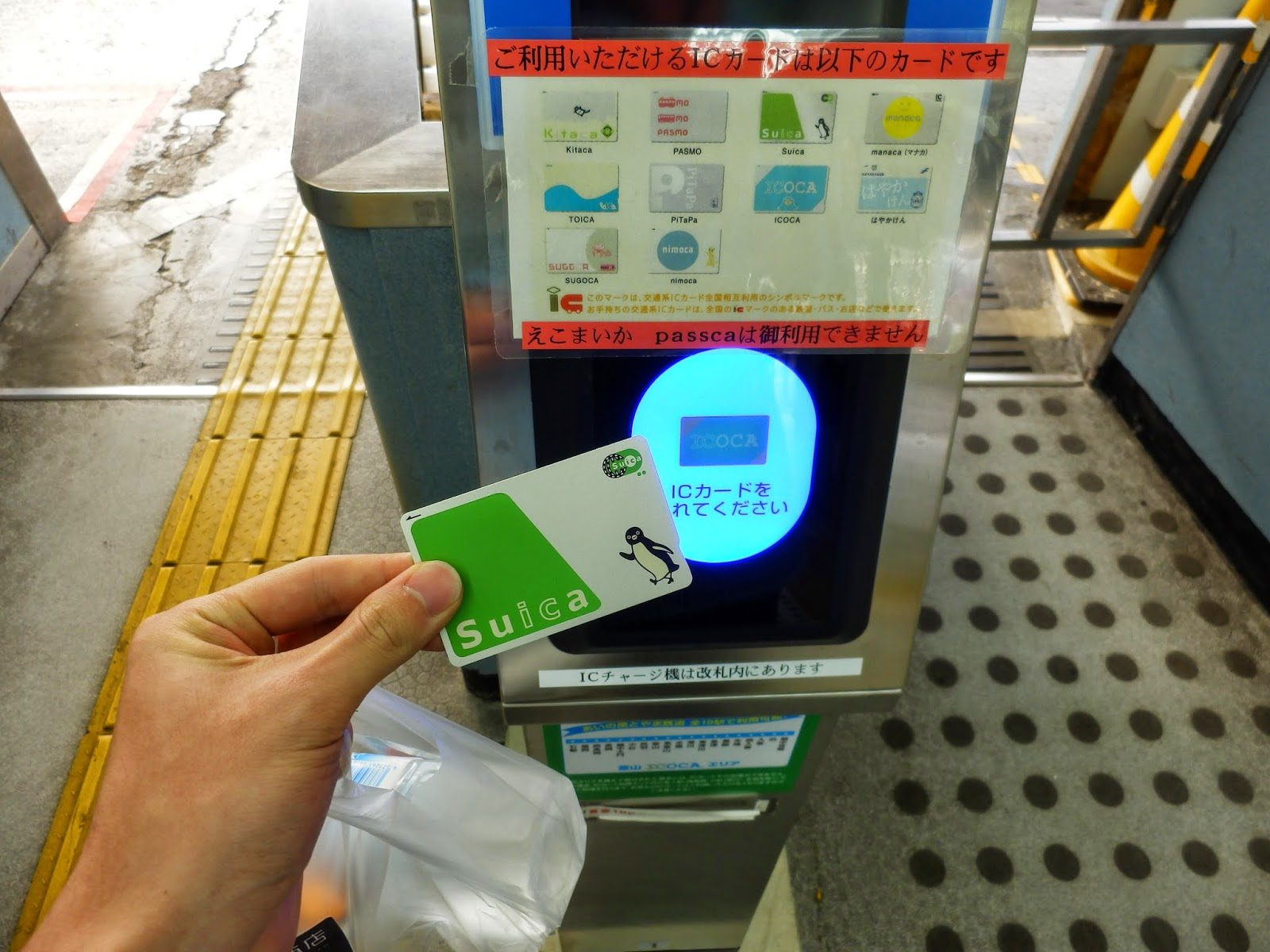
- Ten major cards (Suica, PASMO, ICOCA, Kitaca, TOICA, manaca, SUGOCA, nimoca, Hayakaken, PiTaPa) work interchangeably on trains, subways and most buses across the big networks
- Tap in, tap out, and the fare is deducted. Top up with cash at any ticket machine or at convenience stores
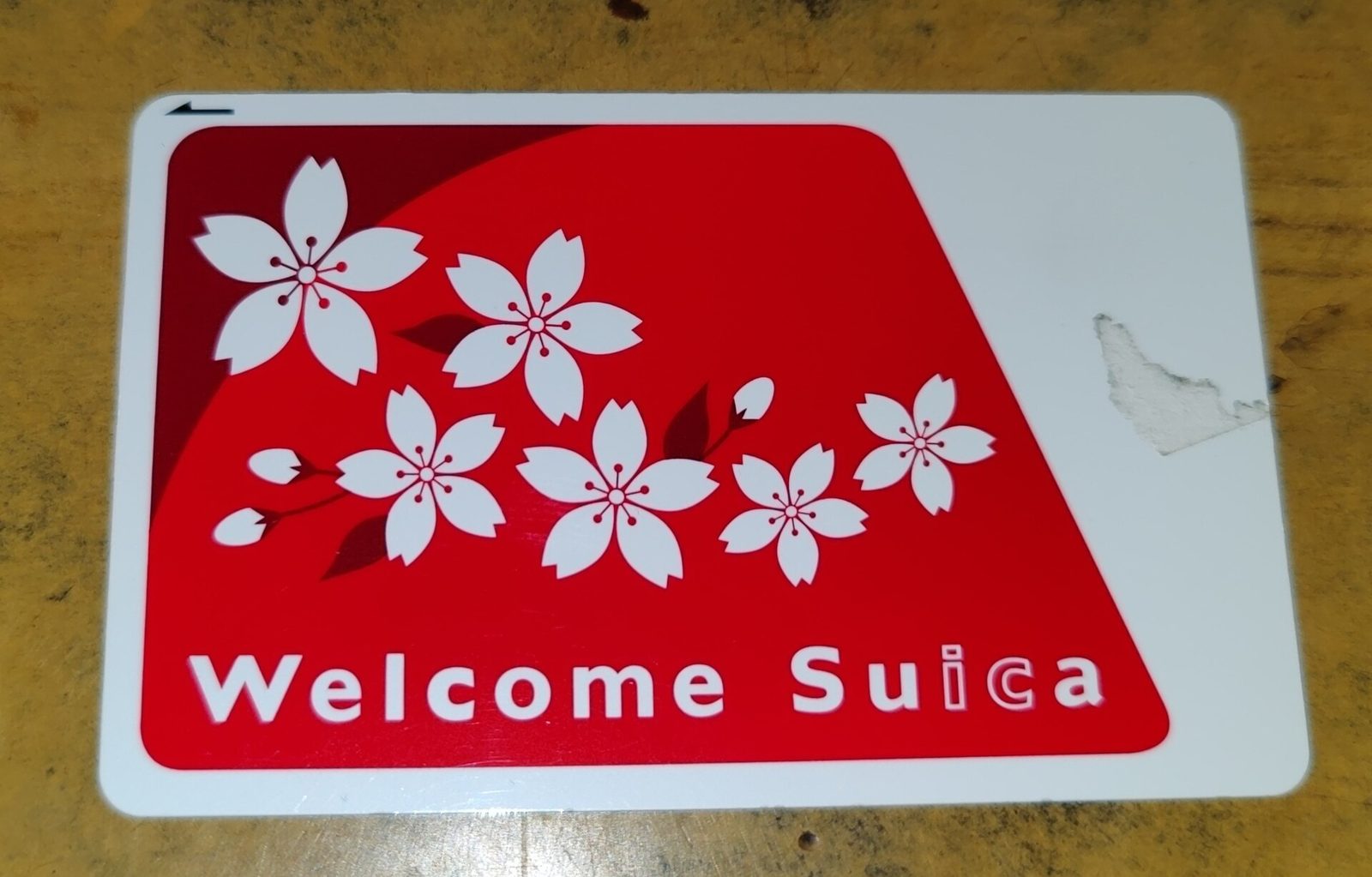
- Welcome Suica is made for visitors: no deposit, valid for 28 days, sold at Haneda, Narita and major JR East stations
- On iPhone: add Suica, PASMO or ICOCA to Apple Wallet and top up with your own card. It's the easiest option of all
- They also pay at konbini, vending machines and lockers
- Limits: you can't tap through from one IC region into another on a single ride (e.g. Tokyo area → Nagoya area), and many rural lines don't take IC cards at all. Buy a paper ticket there
A growing number of lines also accept tap-to-ride contactless credit cards at special gates, but IC cards still work almost everywhere.
Paper tickets & machines
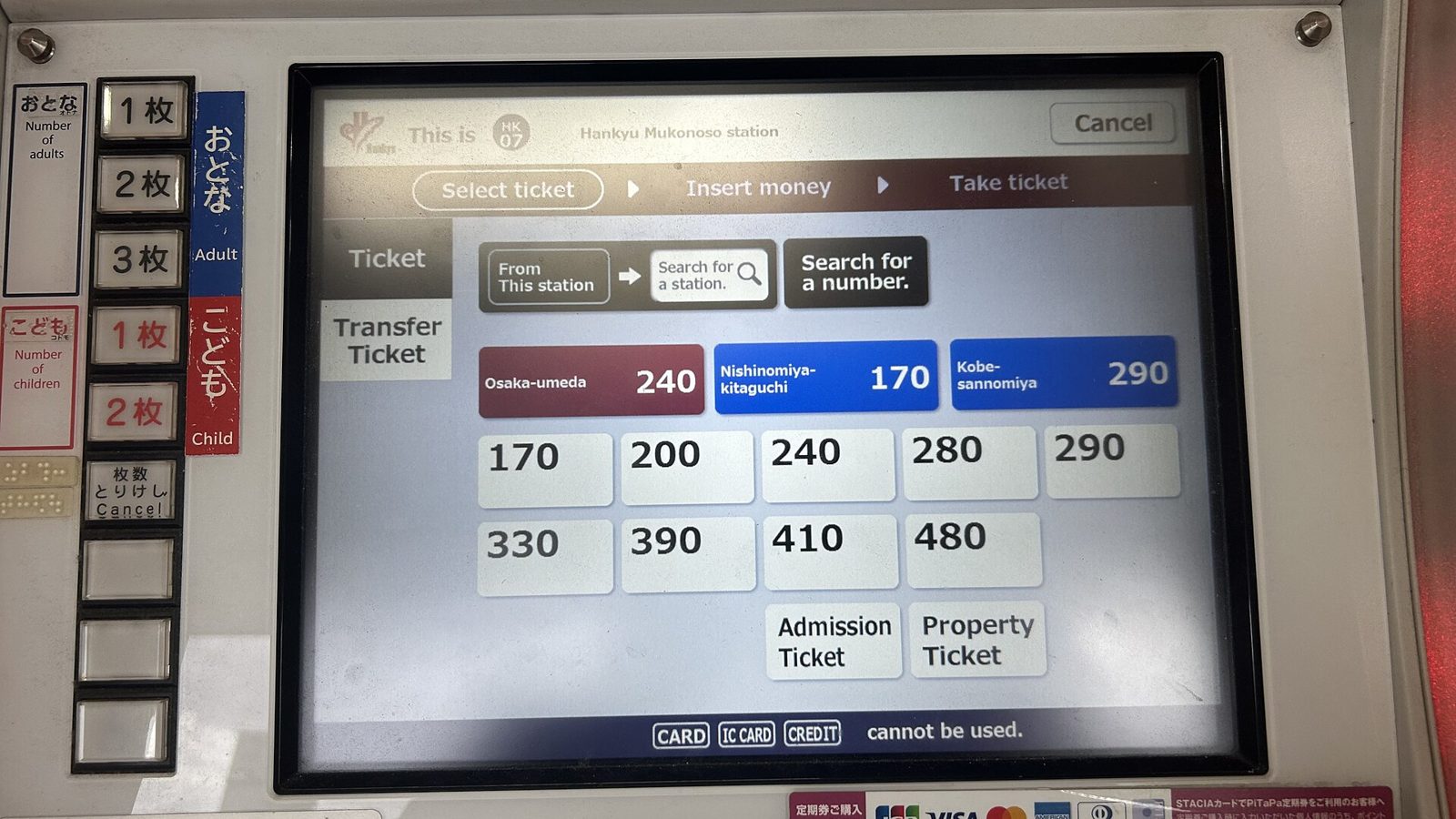
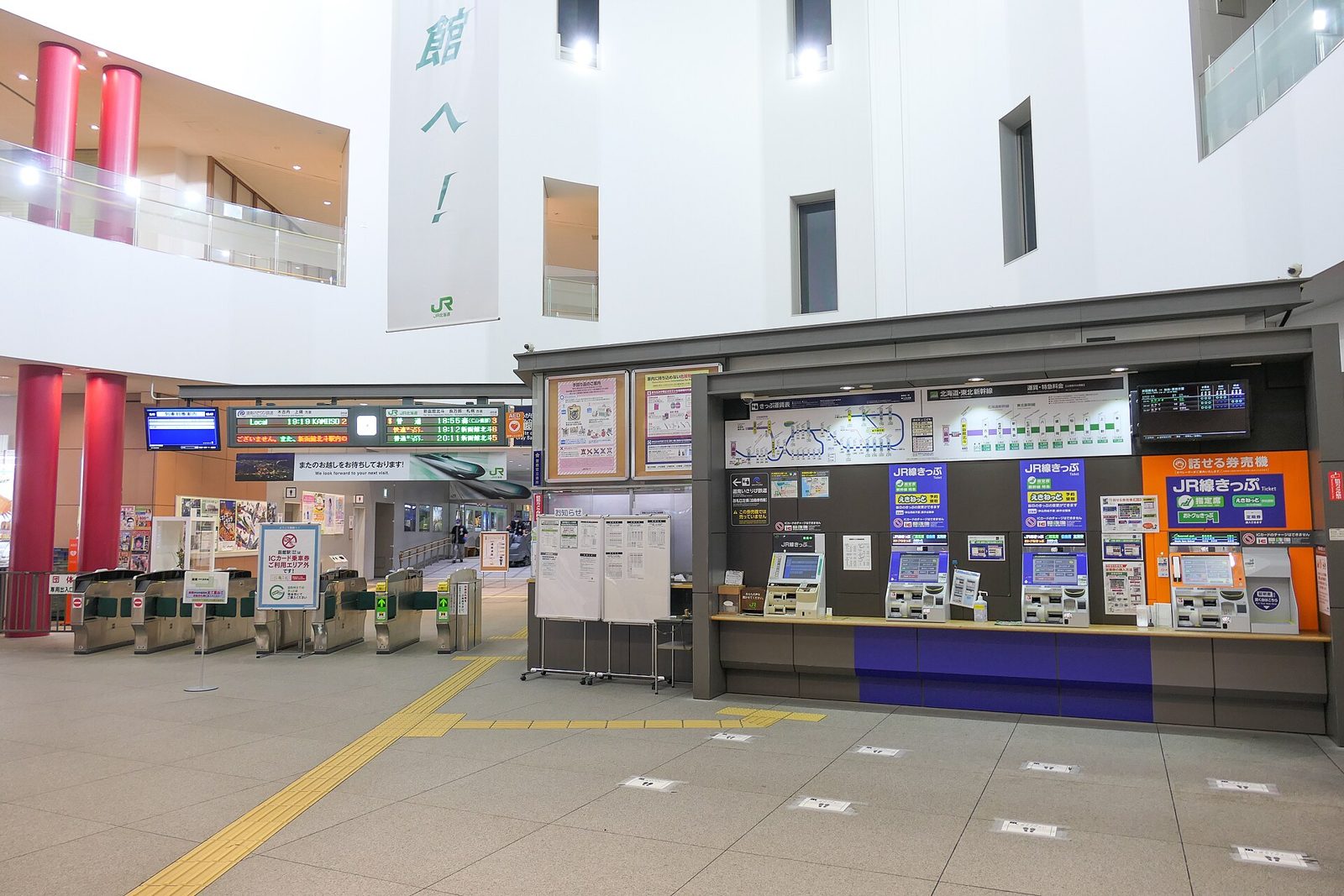
- Find your destination on the fare map above the machines (often English too) and note the fare
- Press English on the machine, choose the fare, pay with cash (most machines) or card (JR reserved-seat machines)
- Not sure? Buy the cheapest ticket and pay the difference at the fare adjustment machine (乗り越し精算) before the exit gate
Rural lines & one-person trains
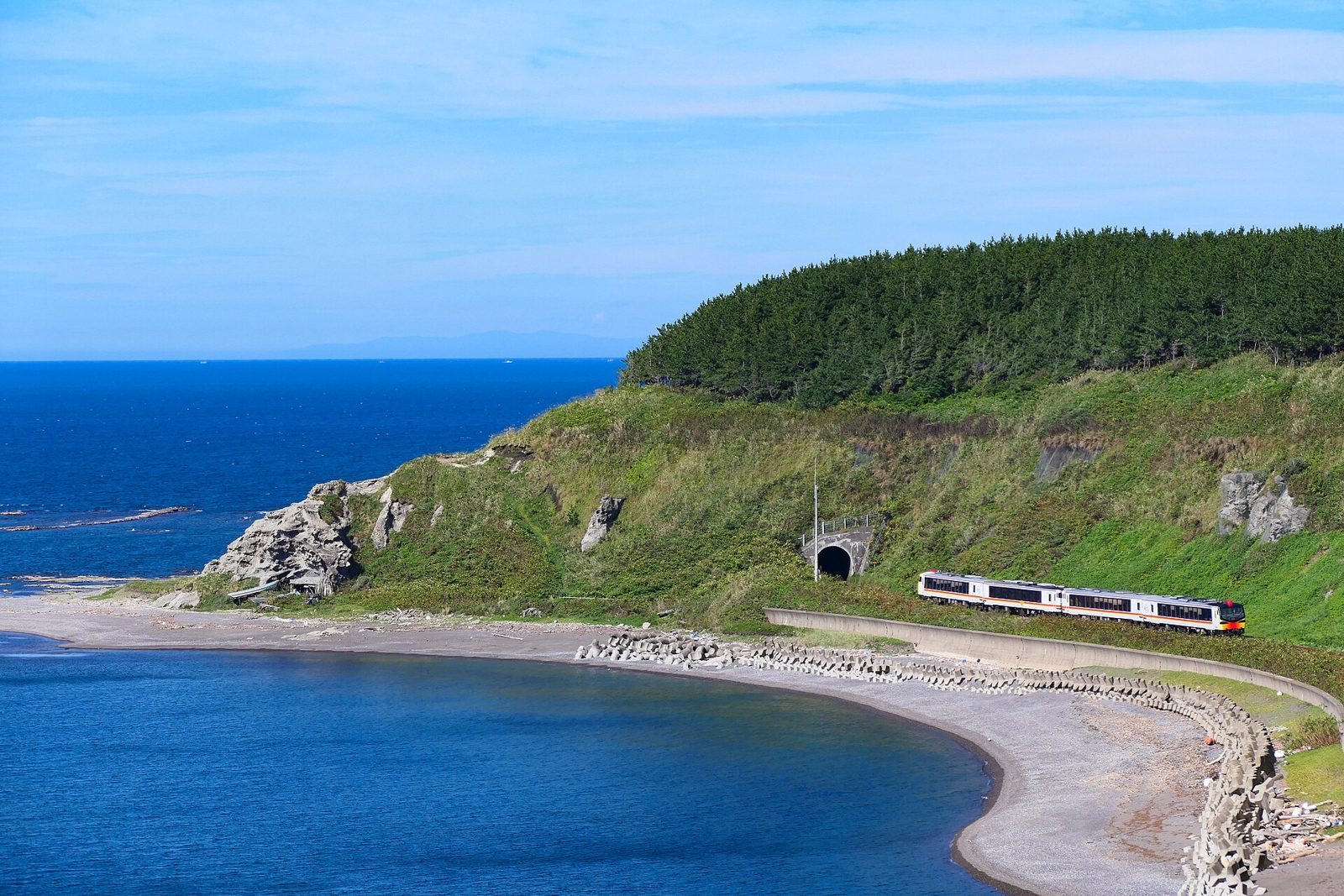
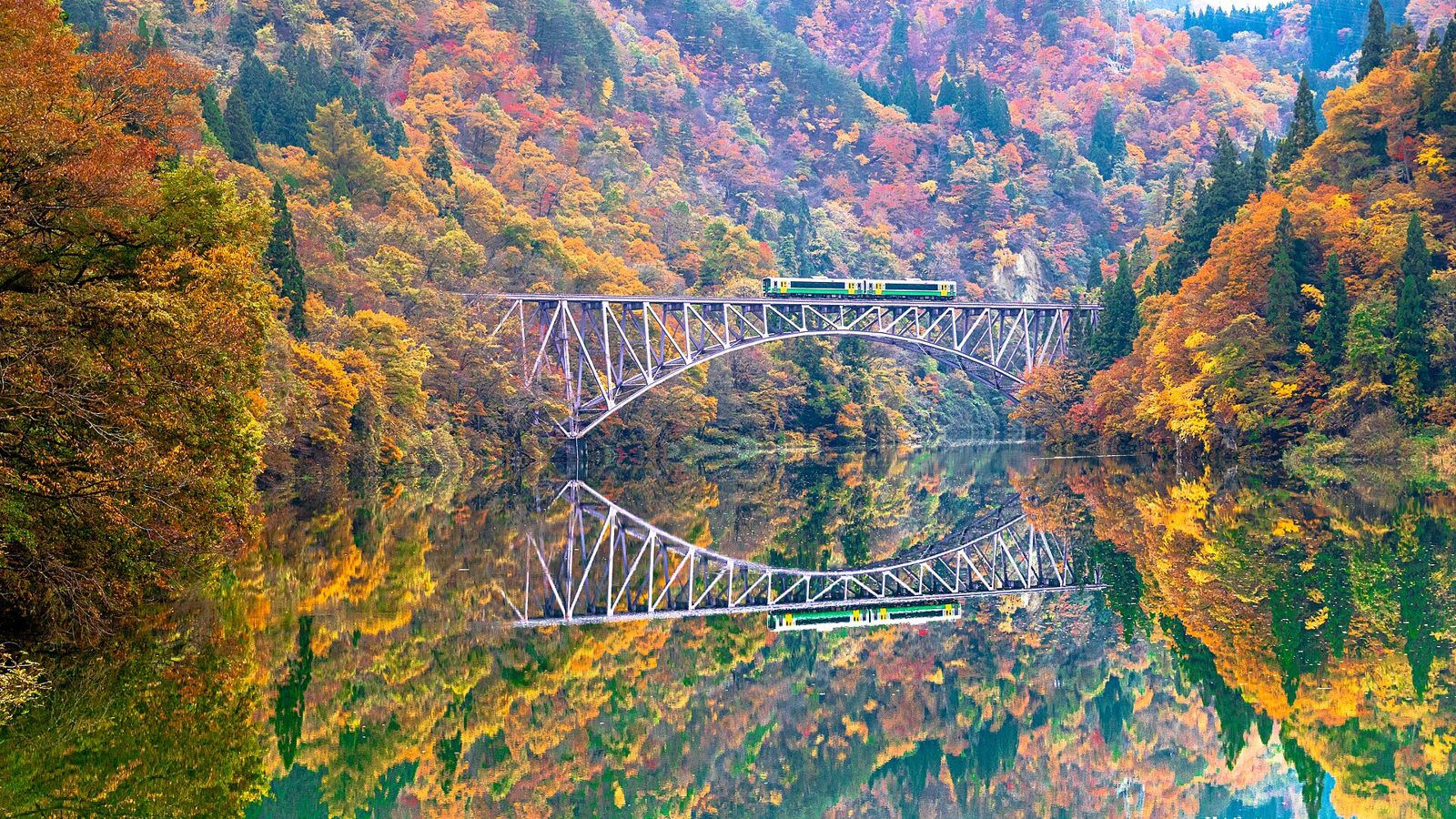
Away from the cities, many lines run wanman (one-man) trains with only a driver on board. Here's how they work:
- Board through the marked door and take a numbered ticket (整理券 seiriken) from the machine, unless the station has gates
- A screen at the front shows the fare for each ticket number, and it rises as you go
- Get off through the front door and drop the exact fare plus your ticket into the box next to the driver. The box has a change machine for ¥1,000 notes
Check the timetable, really
Some rural lines see only 3–8 trains a day. The Tadami Line runs just a handful of trains along its full length. Plan around the train, not the other way round, and keep Google Maps, NAVITIME or the Japan Transit Planner handy.
Scenic trains worth a detour
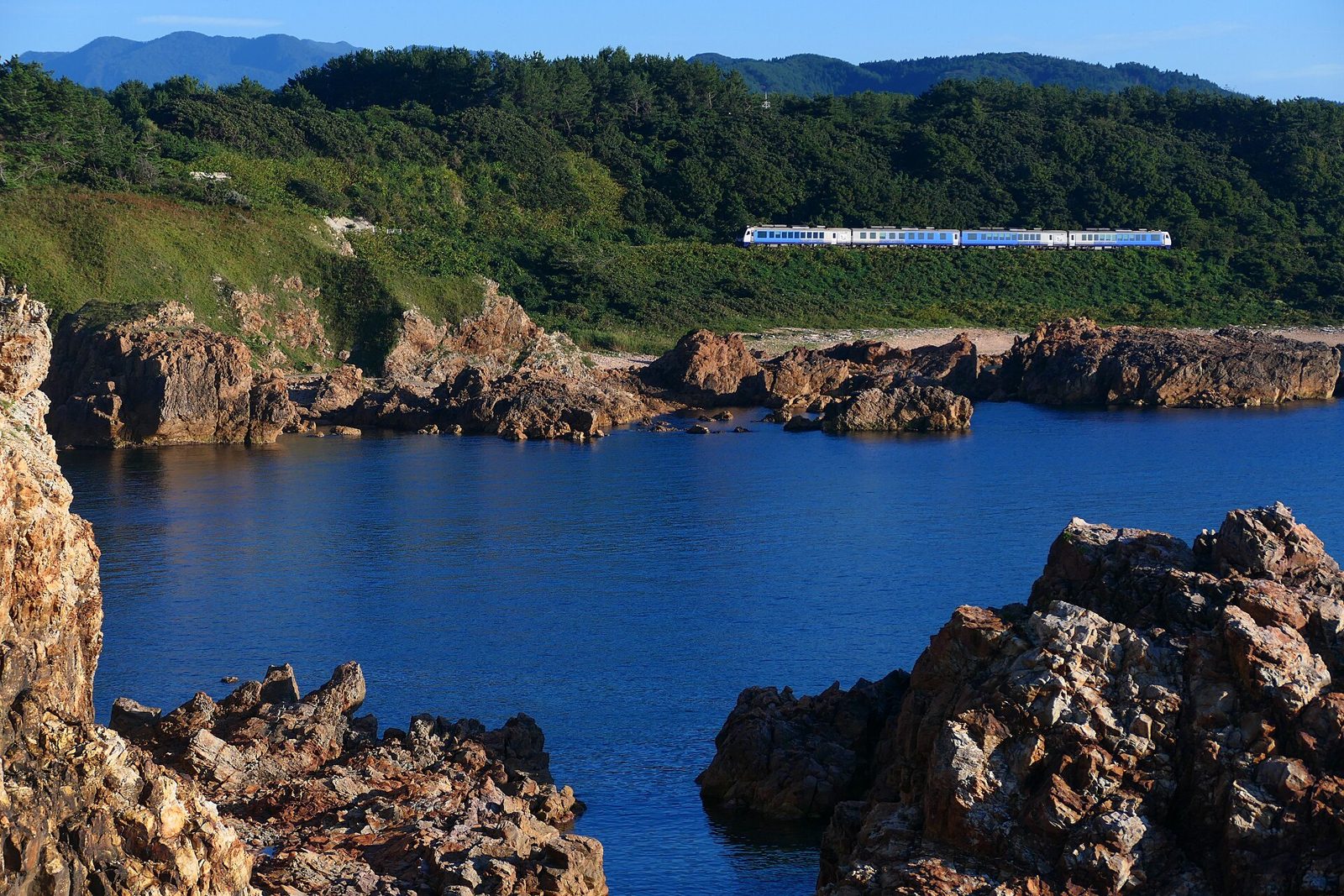
- Resort Shirakami (Akita → Aomori): the Gono Line along the Sea of Japan, with big windows and live shamisen on some runs
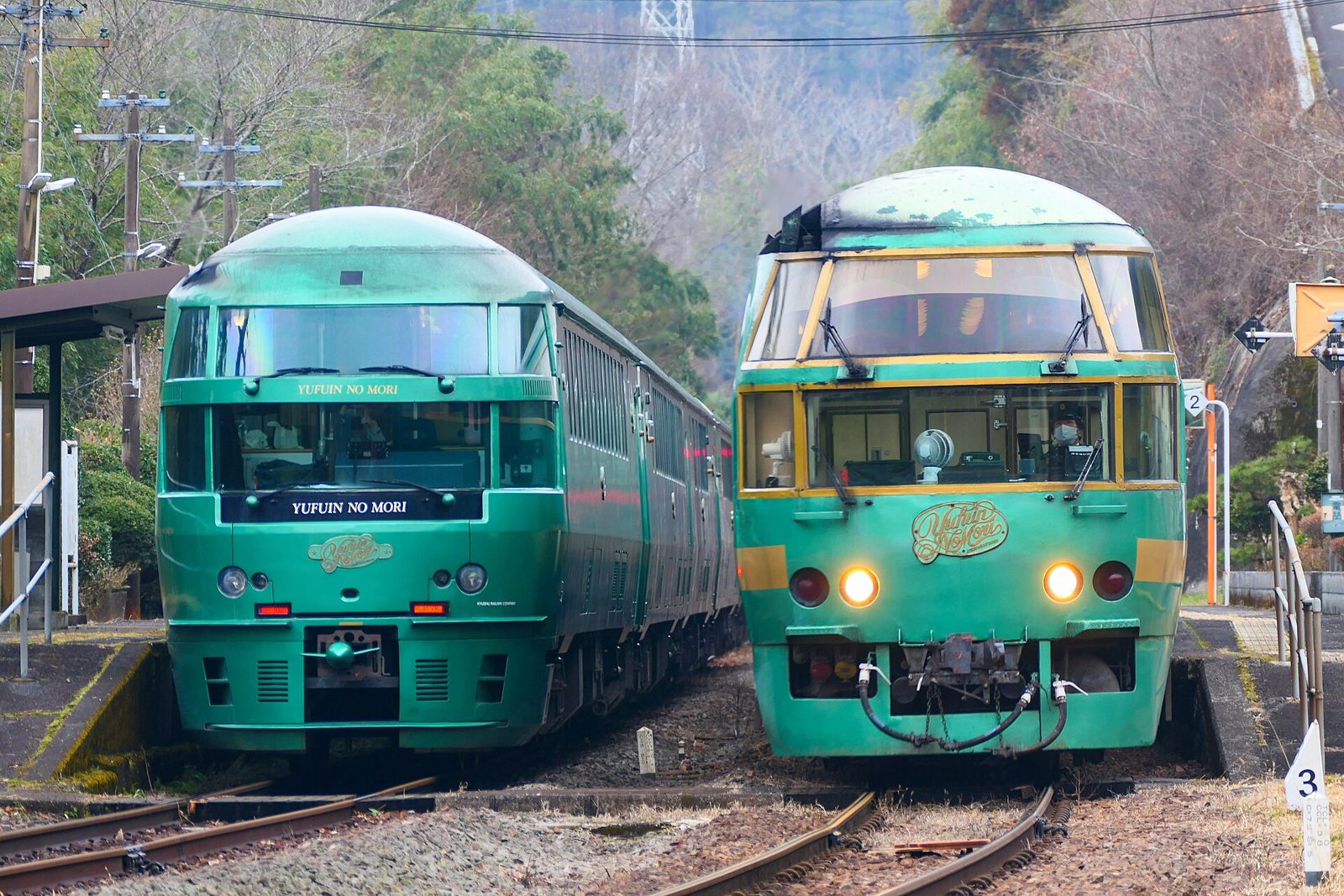
- Yufuin no Mori (Hakata → Yufuin / Beppu): retro green sightseeing express, fully reserved, popular, so book early
- Tadami Line (Aizu-Wakamatsu → Koide): river valleys and the famous No. 1 Bridge, unbeatable in autumn
- Shikoku's sightseeing trains, like the Iyonada Monogatari along the Seto Inland Sea coast
- Romancecar with its front observation seats (Shinjuku → Hakone)
Regional rail passes
For visitors, regional passes are usually better value than the nationwide JR Pass. Prices change, so compare on the official JR websites:
| Pass | Covers | Good for |
|---|---|---|
| JR East Pass (Tohoku area) | Tohoku, Akita & Yamagata Shinkansen + JR East trains | Tohoku trips by rail |
| JR Tokyo Wide Pass | Around Tokyo incl. Kawaguchiko, Nikko, Karuizawa | Day trips from Tokyo |
| Kansai Area / Kansai Wide Area Pass | Kyoto, Osaka, Kobe, Nara (wide: up to Okayama) | Kansai base |
| JR Kyushu Rail Pass | Northern, Southern or All Kyushu | My Kyushu route |
| All Shikoku Rail Pass | JR Shikoku + some private lines | Shikoku without a car |
| Hokkaido Rail Pass | JR Hokkaido trains | Hokkaido by train |
Etiquette & good to know
Queue
Line up at the platform markings, let people off first.
Quiet
No phone calls, low voices, phone on silent (マナーモード manner mode).
Backpack
Wear it on your front or put it on the rack in crowded trains.
Rush hour
Avoid 7:30–9:30 with luggage. Women-only cars run in the morning on many city lines.
Last train
City lines stop around midnight. After that it's a taxi, or karaoke until the first train.
Lost something?
Ask the station staff. In Japan things come back surprisingly often.
Comments
Questions, tips, your own experience?
Done this route, planning it, or found a great ryokan I missed? Leave a comment below. Please keep it friendly and on topic.
The comment section switches on as soon as Tabi Notes is live.