Outside the cities, a car changes everything. Onsen villages, mountain passes, gorges and coastlines that take a day by rural bus are an hour away. Japanese roads are excellent and drivers are polite. With a few rules in your head, it's one of the most relaxed places in the world to drive.
Just don't drive in Tokyo, Osaka or Kyoto. Pick the car up the day you leave the city.
Typical figures. Prices depend on season, car class and insurance.
1 · Your licence: sort this first
No valid paperwork, no car
Japan accepts an International Driving Permit (IDP) under the 1949 Geneva Convention, together with your original licence and passport. Licences from a few countries (including Germany, Switzerland, France, Belgium, Monaco and Taiwan) don't use an IDP. Instead they need an official Japanese translation from JAF or an authorised issuer. Every driver needs their own. An IDP under the 1968 Vienna Convention alone is not accepted.
Check the current rules with your rental company and your country's issuing authority before you fly. Without them, the counter will turn you away.
2 · Booking the right car
- Big companies with English booking: Toyota Rent a Car, Times Car Rental, Nippon Rent-A-Car, ORIX, Nissan Rent a Car. Comparison sites like ToCoo! or Rentalcars help
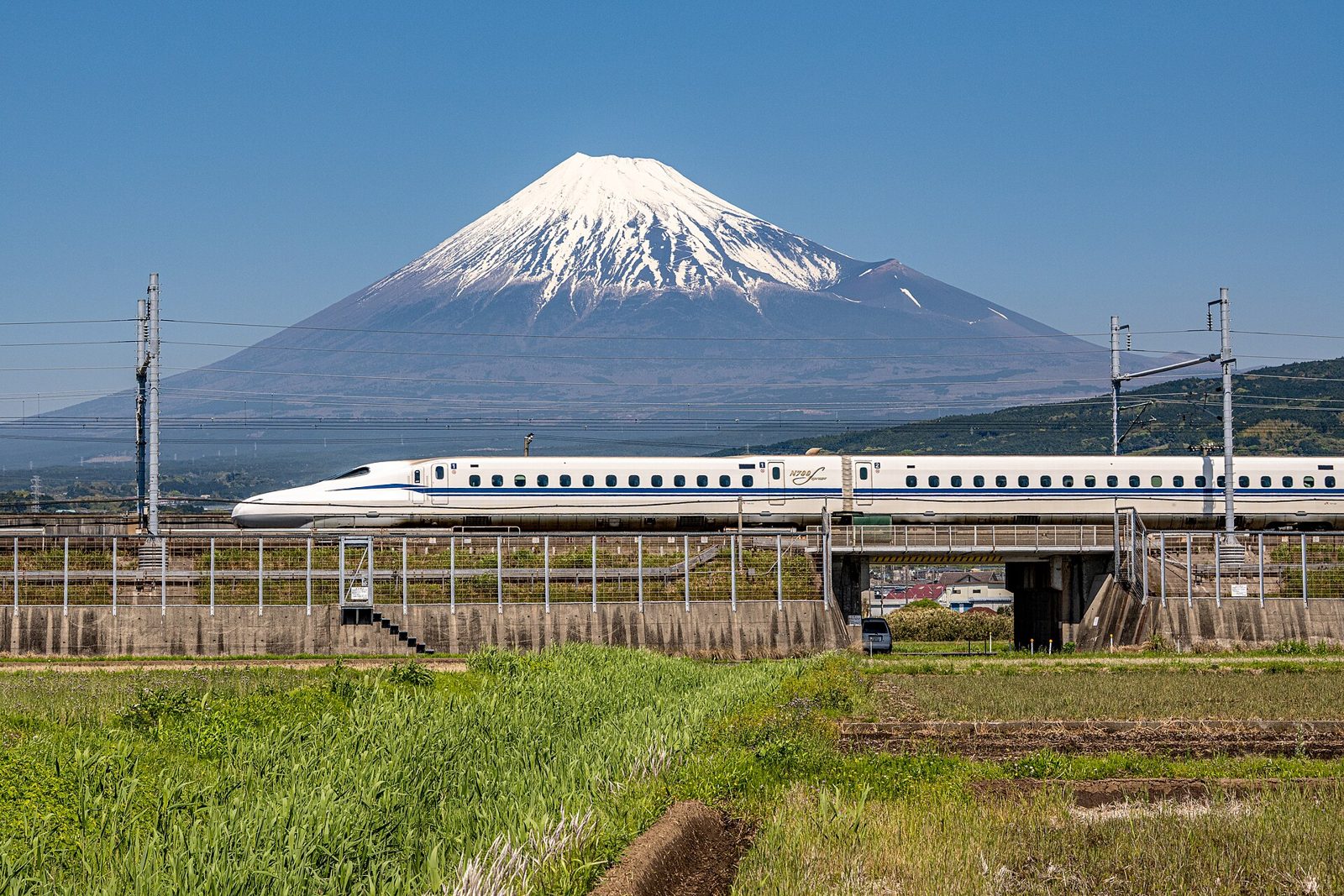
- Pick up at a Shinkansen station (almost all have rental offices next door): ride the train out of the city, then drive
- Kei car (yellow plates, 660 cc): cheapest, perfect on narrow mountain roads, but small boots and slow on expressways. Compact (Yaris, Fit, Note): the sweet spot for two people with luggage
- Ask for an English navigation system and an ETC card
- One-way rentals are possible but can carry a hefty drop fee. Ask for it in writing
| Cost item | Typical |
|---|---|
| Compact car, per day | ~¥7,000–12,000 |
| Collision damage waiver (CDW) | ~¥1,100–2,200 / day, often included |
| NOC cover ("safety pack") | ~¥550–1,100 / day. Covers the ¥20,000–50,000 non-operation charge after any damage, so take it |
| ETC card rental | ~¥330 per rental |
| Child seat (required under 6) | ~¥550–1,100 / day |
3 · Tolls, ETC & expressway passes
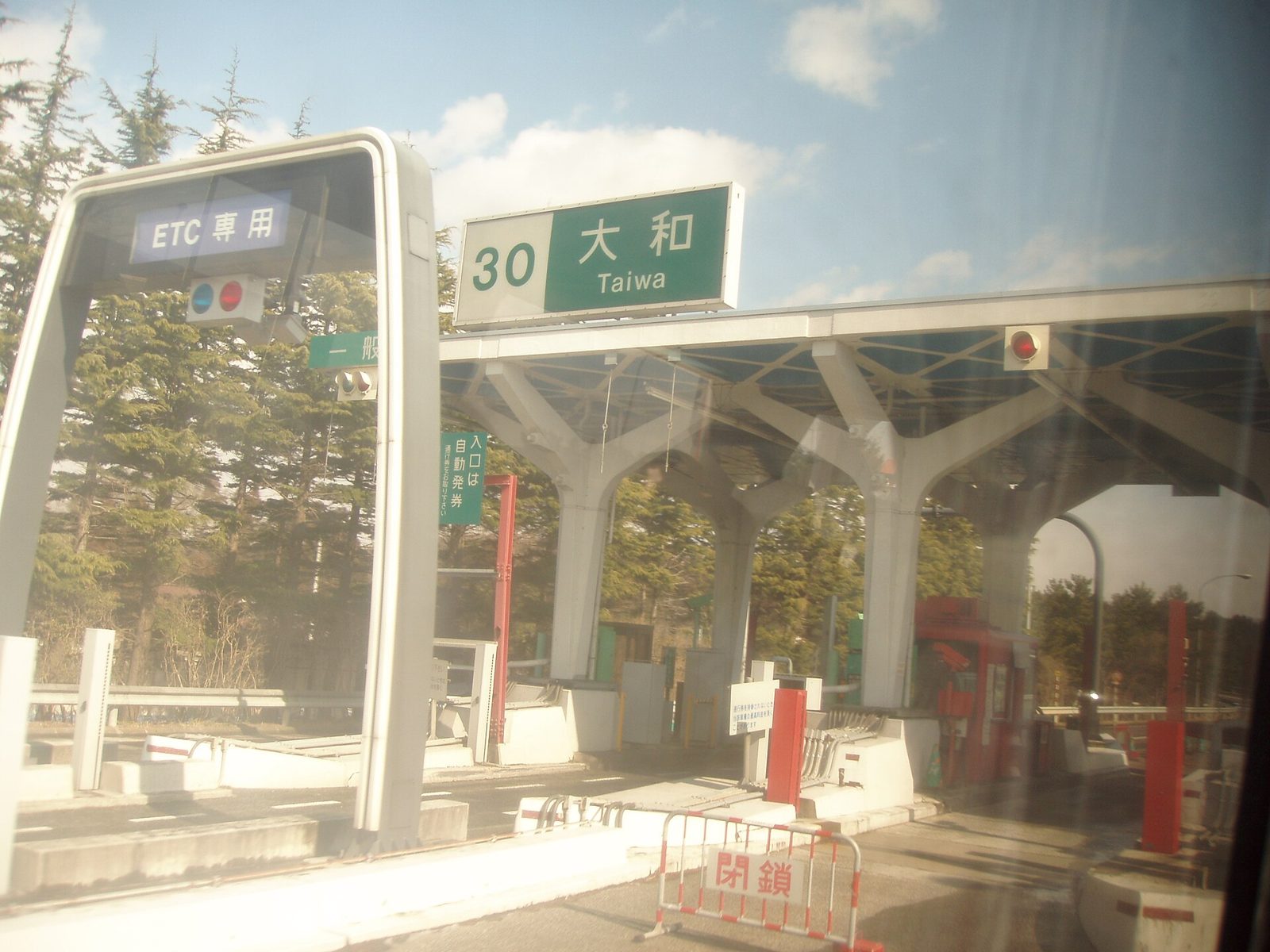
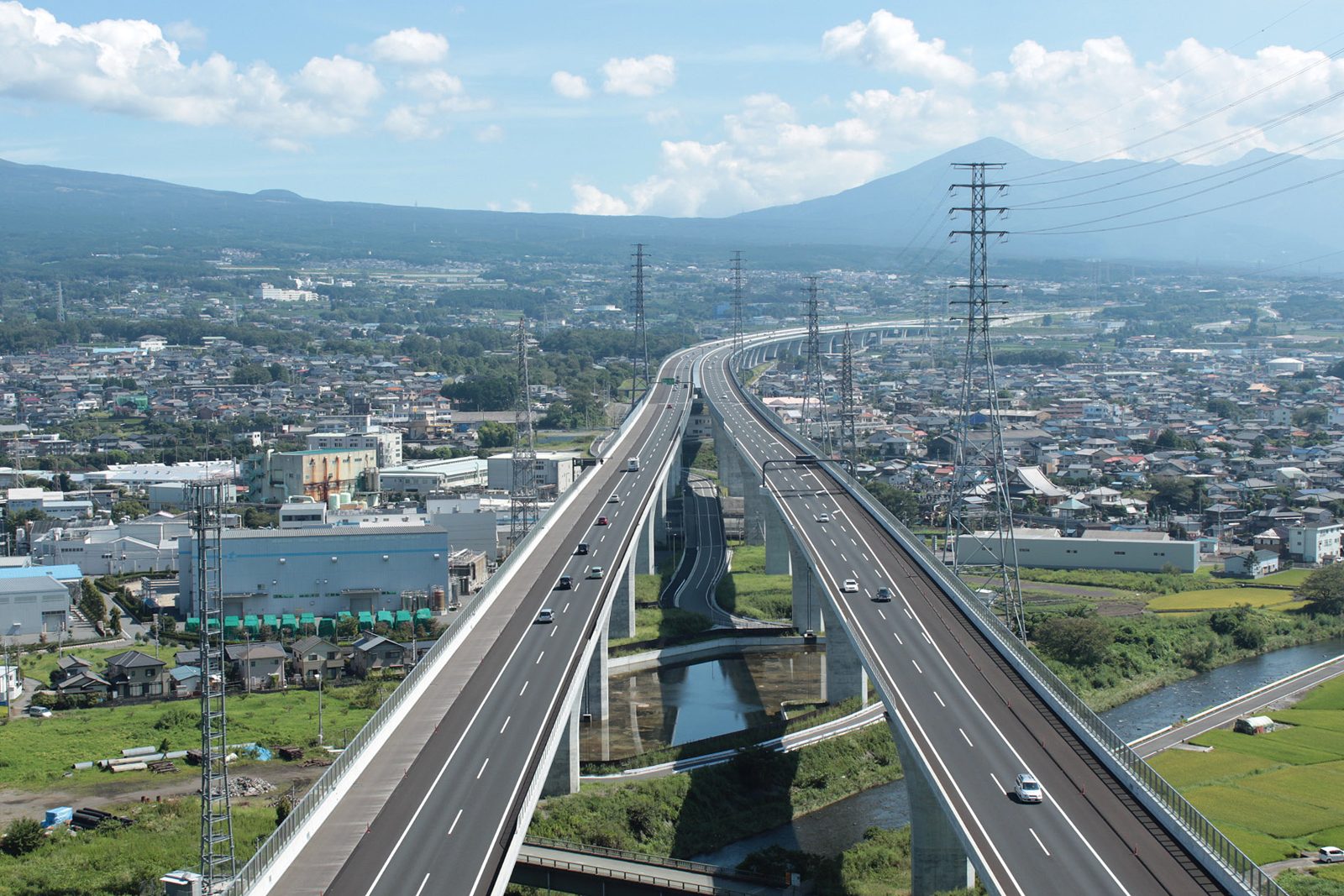
Expressways are fast and spotless, but tolls add up: roughly ¥25 per km, so Tokyo → Osaka is about ¥10,000–11,000 one way. With an ETC card you drive through the purple ETC lanes without stopping and pay everything when you return the car.
Foreign visitors can add a flat-rate expressway pass through the rental company: the nationwide Japan Expressway Pass, or regional versions for Tohoku, Hokkaido, Kyushu, central Japan and San'in–Setouchi–Shikoku. They cover consecutive days, so use them for your heaviest driving block and compare with normal tolls first.
4 · Road rules that differ from home
Keep left
Driver on the right, indicator stalk often on the right too. Expect to switch on the wipers a few times.
Rail crossings
Full stop before every level crossing, look, then cross, even if the barrier is up. It's the law.
Stop sign
A red triangle (止まれ tomare) means stop. No turning on red unless there's a green arrow.
Speed
Expressways mostly 100 km/h (some 120), ordinary roads 40–60 km/h, narrow residential roads usually 30 km/h. Cameras and police are real.
Alcohol
Effectively zero tolerance. Passengers who let a drunk driver drive can be punished too. Don't drink a single beer.
Phones & kids
No handheld phone use at all. Child seats are compulsory under 6.
If something happens
In any accident, even a tiny scrape, call the police (110) and the rental company before you leave. Without a police report, your insurance won't pay. Ambulance and fire: 119.
5 · Fuel & charging
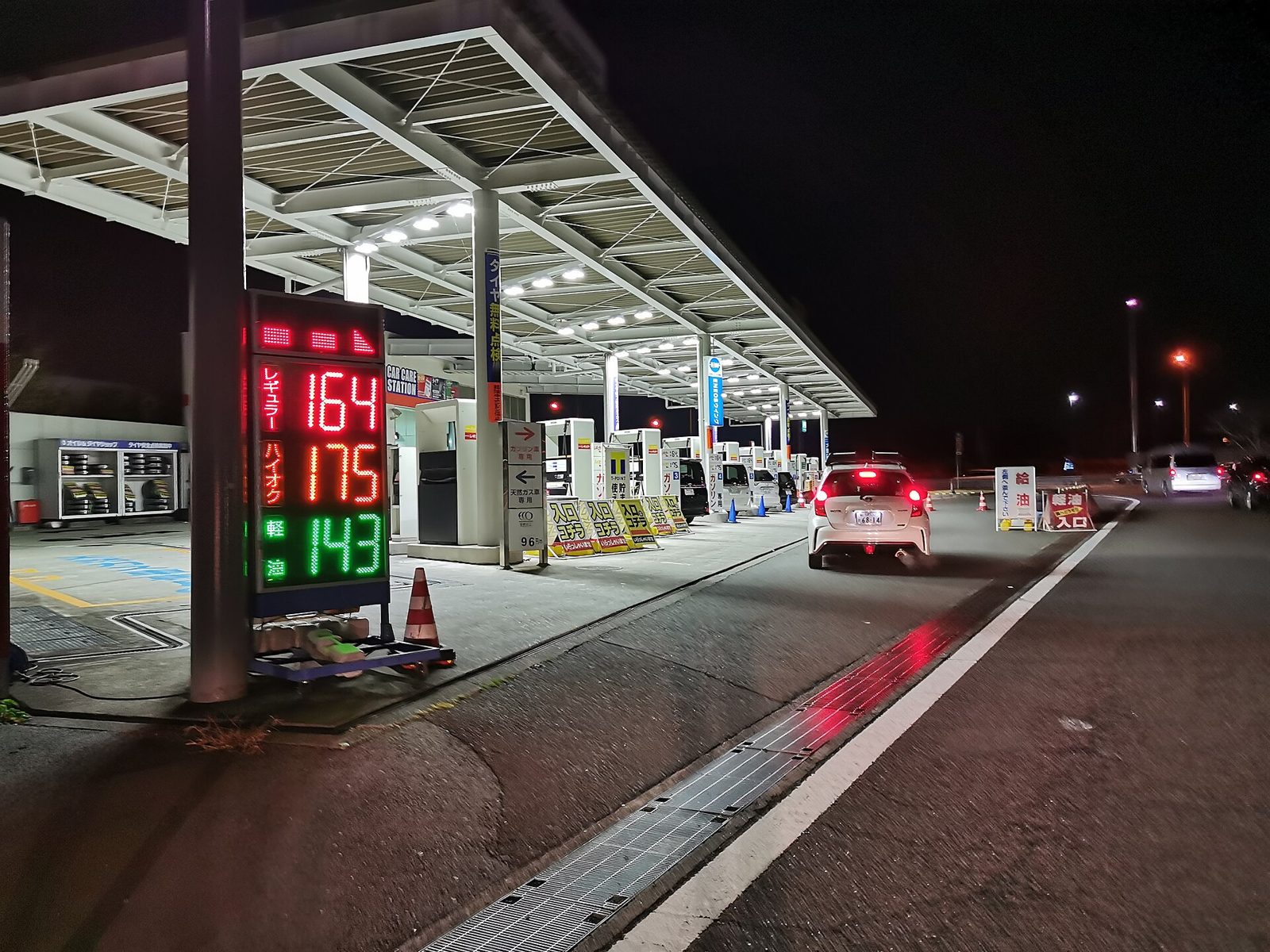
| Pump colour | Fuel | Japanese |
|---|---|---|
| Red | Regular petrol (almost all rentals) | レギュラー regyurā |
| Yellow | High-octane petrol | ハイオク hai-oku |
| Green | Diesel. Never in a petrol car! | 軽油 keiyu |
- Many stations are self-service (セルフ): choose the fuel and pay at the machine. At staffed stations, say "regyurā, mantan" (regular, full tank)
- Return the car with a full tank and keep the receipt. Most offices ask for it
- Rural stations can close early in the evening and on Sundays. Fill up before mountain roads
6 · Parking, navigation & michi-no-eki
- Never park on the street. Use coin parking (pay at the machine when you leave). City hotels charge ~¥1,000–3,000 a night, while ryokan and rural hotels are usually free
- Navigation: enter a phone number or Mapcode into the car's sat-nav. Google Maps on your phone works well too
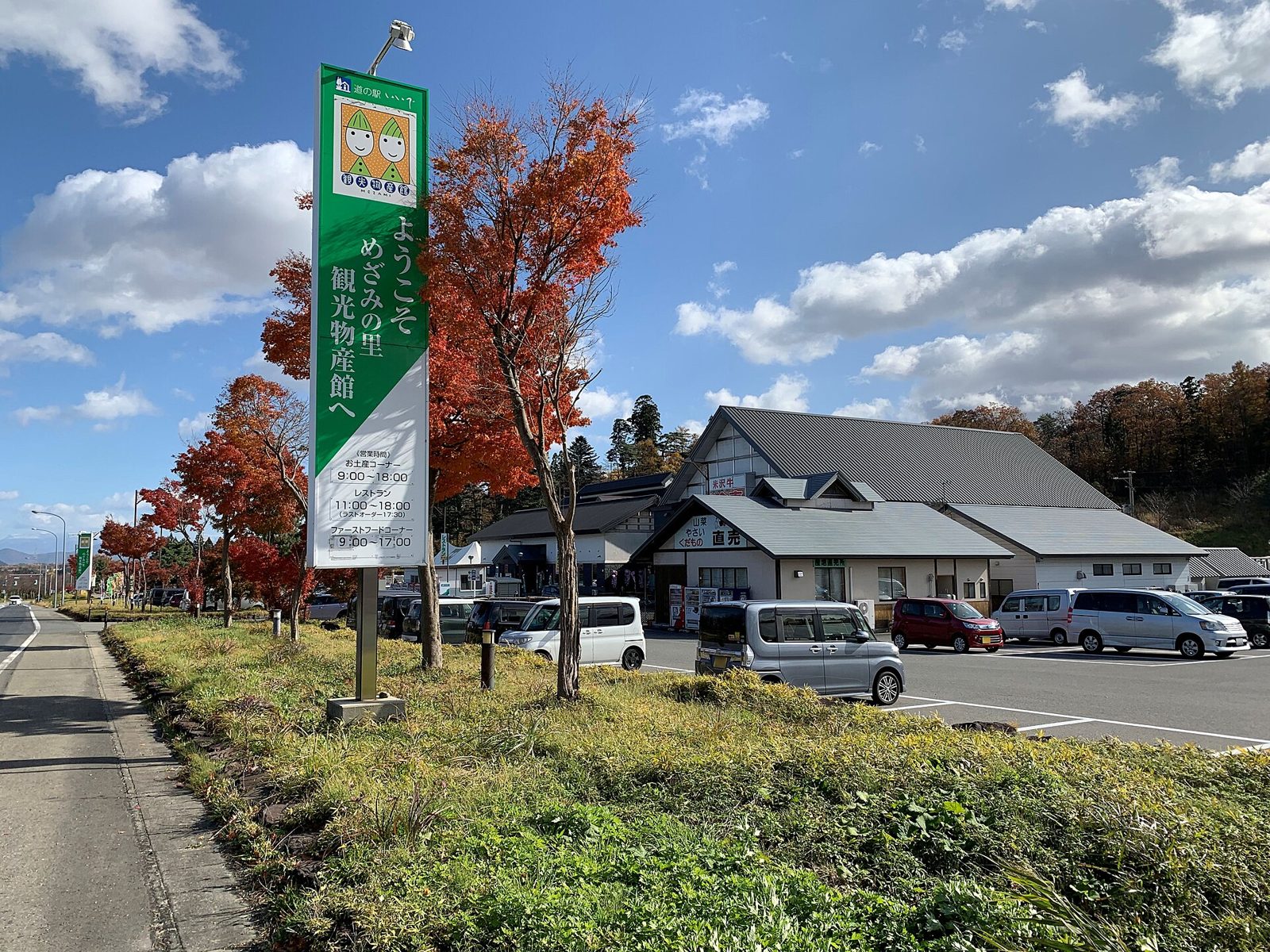
- Michi-no-eki roadside stations (over 1,200 of them) have clean toilets, local food and farm shops, and make perfect breaks
- Narrow roads: fold your mirrors, use the passing places, and give a quick thank-you flash with the hazard lights when someone lets you in
7 · Winter & wildlife
- From late autumn to spring, rentals in Hokkaido, Tohoku and the Japan Alps come with snow tyres. Ask for 4WD in snowy regions
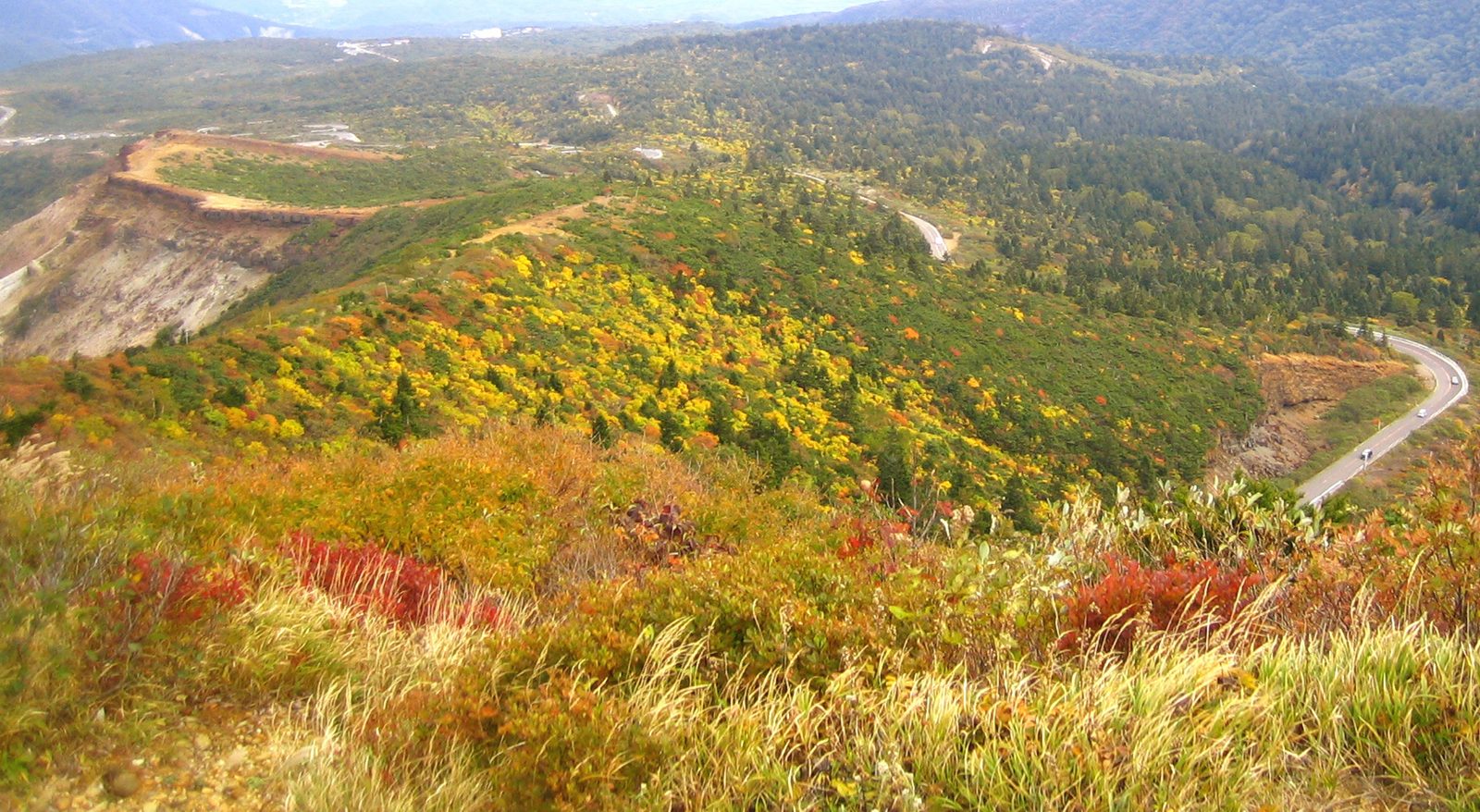
- Mountain roads like the Zao Echo Line or Bandai-Azuma Skyline close for the winter. Check before you go
- Watch for deer (Hokkaido especially) and bears in Tohoku's mountains, particularly at dusk
Want to sleep in your car? Read my camper van loop and the road-trip & ryokan essentials for the overnighting rules.
Comments
Questions, tips, your own experience?
Done this route, planning it, or found a great ryokan I missed? Leave a comment below. Please keep it friendly and on topic.
The comment section switches on as soon as Tabi Notes is live.