Every one of my itineraries leans on the same handful of things: a rental car, a ryokan with a fixed dinner time, and a bit of forward planning. Here's everything in one place, written for travellers from anywhere.
Driving licence
Japan accepts an International Driving Permit (IDP) under the 1949 Geneva Convention, plus your original licence and passport. Licences from Germany, Switzerland, France, Belgium, Monaco and Taiwan don't use an IDP. Instead you need an official Japanese translation (JAF or an authorised issuer), applied for a few weeks ahead. Every driver needs their own. Rules change, so check with your rental company before you fly.
Tolls & expressway passes
- Always ask for an ETC card with the car (~¥330). It's the toll transponder, and you pay at drop-off.
- Compare the regional passes for foreign visitors, such as the Tohoku Expressway Pass (5 days ¥10,600 up to 8 days ¥17,000), with the nationwide Japan Expressway Pass. Passes cover consecutive days, so use them for your heaviest driving block.
- One-way rentals can carry a big relocation fee. Ask for it in writing before you book flights.
On the road
Keep left
And come to a full stop at every rail crossing. It's the law.
Fuel
Around ¥170/L. Many rural stations close in the evening.
Mountain roads
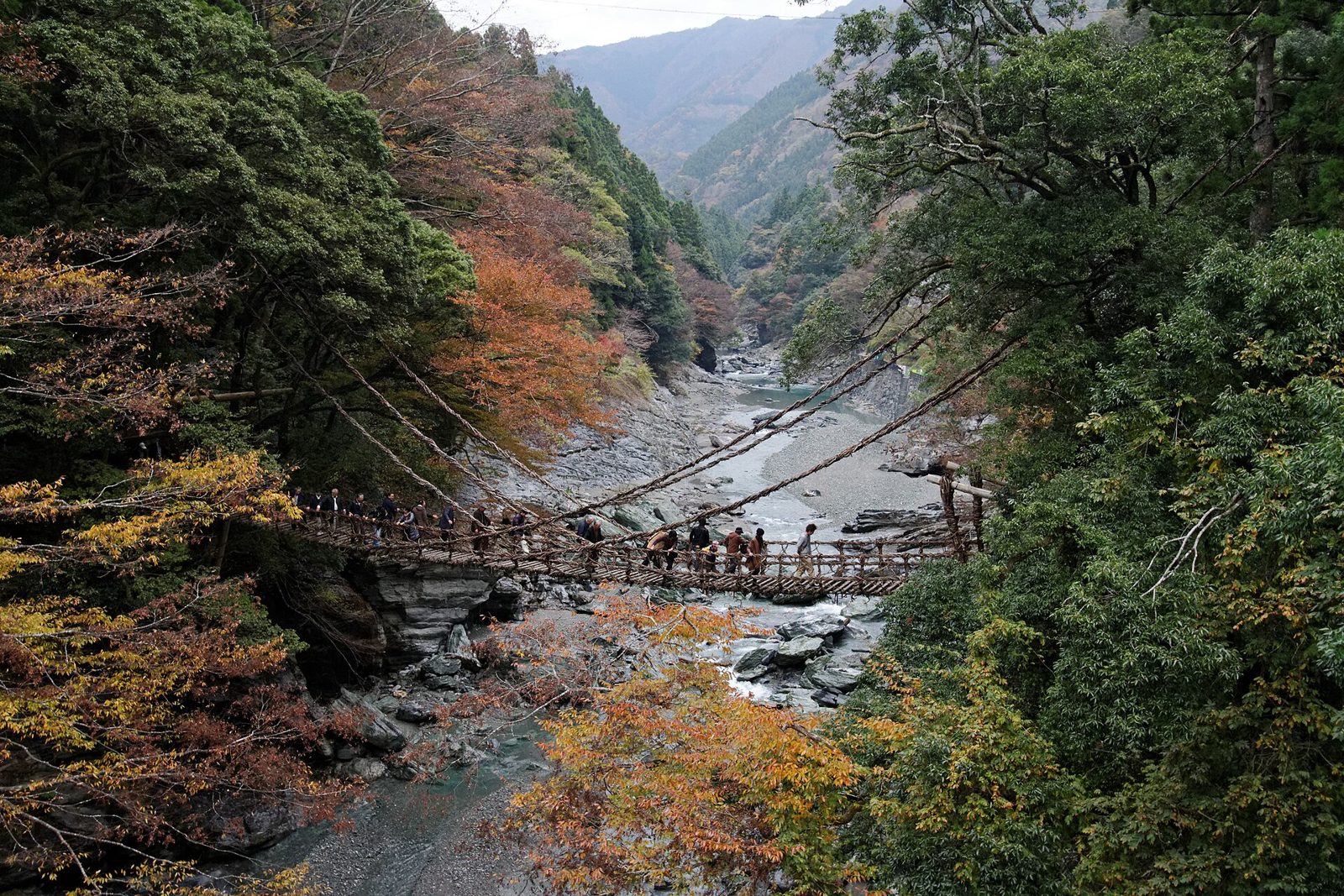
Single-lane roads like Iya or Route 439: rent a small car, drive slowly, honk before blind bends, use passing places.
Scenic roads
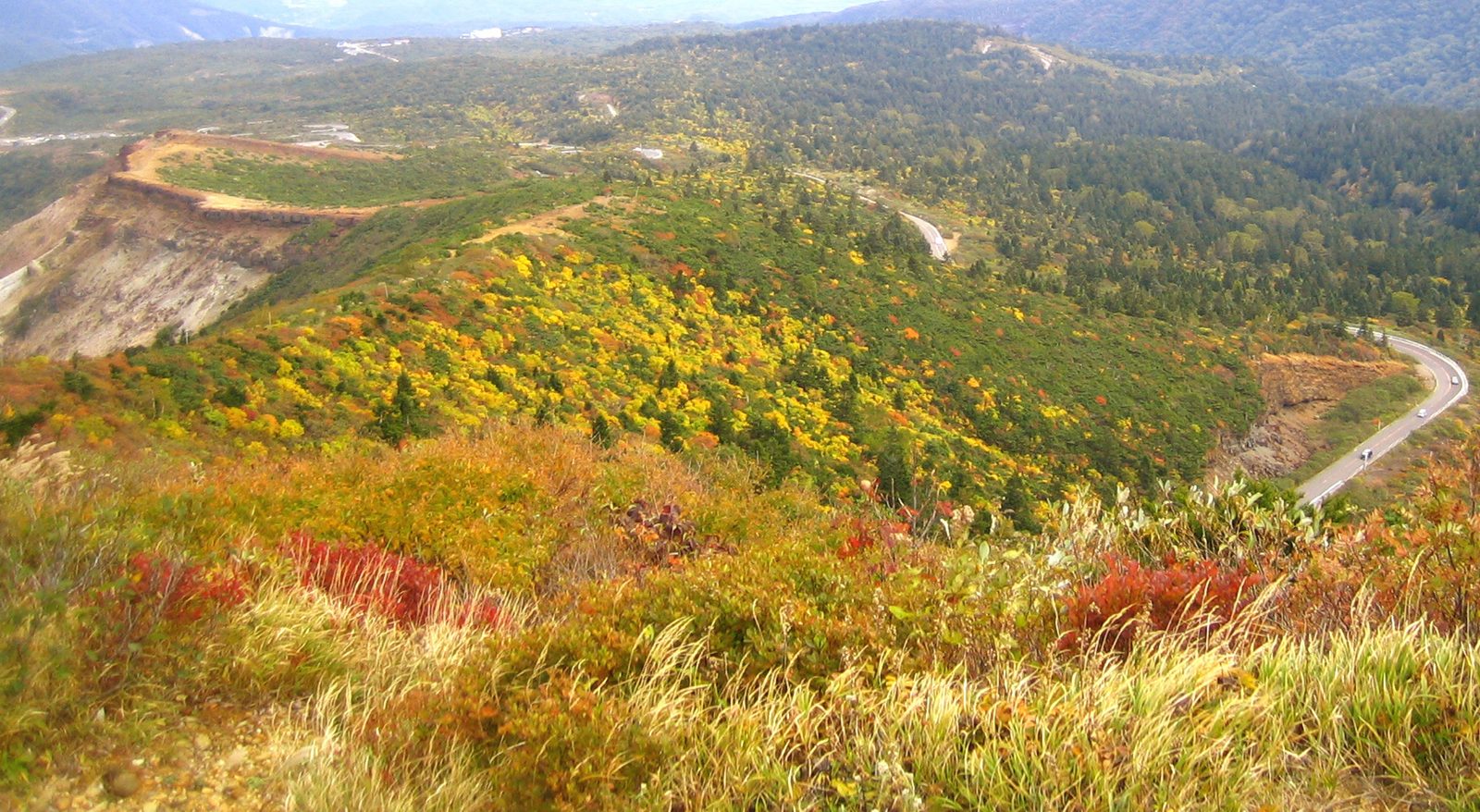
Volcano roads (Bandai-Azuma Skyline, Zao Echo Line) can close because of volcanic activity or early snow. Check the day before.
Pace
I plan never more than ~3.5 hours of driving a day, with a 2-night stop every few days.
Navigation
Enter phone numbers or Mapcodes in the car's sat-nav. It works better than addresses.
Camper vans & overnighting
- Operators: Japan C.R.C. (English, insurance included) and the Carstay platform. Take the premium CDW, which waives the NOC fee.
- Where to sleep: Carstay spots (¥500–5,000) and auto-campgrounds (~¥3,000–5,000/night).
- Michi-no-eki roadside stations allow a free overnight rest only: no chairs outside, no cooking, no waste dumping.
- Mix in a few ryokan nights. The bath and the dinner are half the reason to come.
Booking & staying in ryokans
Book early
In October the famous ones (Ginzan, Benesse House, Iya Onsen) sell out months ahead.
Where to book
Jalan.net and Rakuten Travel often beat the big international sites and list more ryokans. Booking direct also works.
Arrive by 17:00
Dinner is served at a fixed time (usually 18:00–19:00). Arriving late can mean no dinner.
Prices
Usually quoted per person, with dinner & breakfast included. Saturdays and peak-colour days cost up to 30% more.
Value trick
On 2-night stops, take a business hotel for the second night (¥12–15k).
Closed days
Many museums close on Mondays. Check before you lock in the route.
Onsen etiquette & tattoos
- Wash and rinse at the shower stations before you get in. The towel never goes in the water.
- Ask for a private bath (kashikiri) if you're a couple or want to bathe together.
- Tattoos are sometimes not allowed in shared baths. Private baths and many ryokans solve it, so ask when you book.
Trains & luggage
- Since the JR Pass price increase, point-to-point Shinkansen tickets are often cheaper when your train days are spread out. Run the numbers.
- Reserve seats on popular Shinkansen lines in autumn.
- Book the same hotel at the start and end of a loop, so you can leave big luggage behind. Takkyubin forwarding handles the rest.
Nature & safety
- In Tohoku, carry a bear bell on forest trails, avoid dawn and dusk, and follow local warnings.
- Typhoon season fades through October. Keep a flexible day in the plan.
Comments
Questions, tips, your own experience?
Done this route, planning it, or found a great ryokan I missed? Leave a comment below. Please keep it friendly and on topic.
The comment section switches on as soon as Tabi Notes is live.